

Where Longing Points When Distraction Ends
An inquiry into what rises when I finally stop numbing myself

“We consume not because we’re full of desire, but because we’re empty of presence.” — Attributed to Erich Fromm
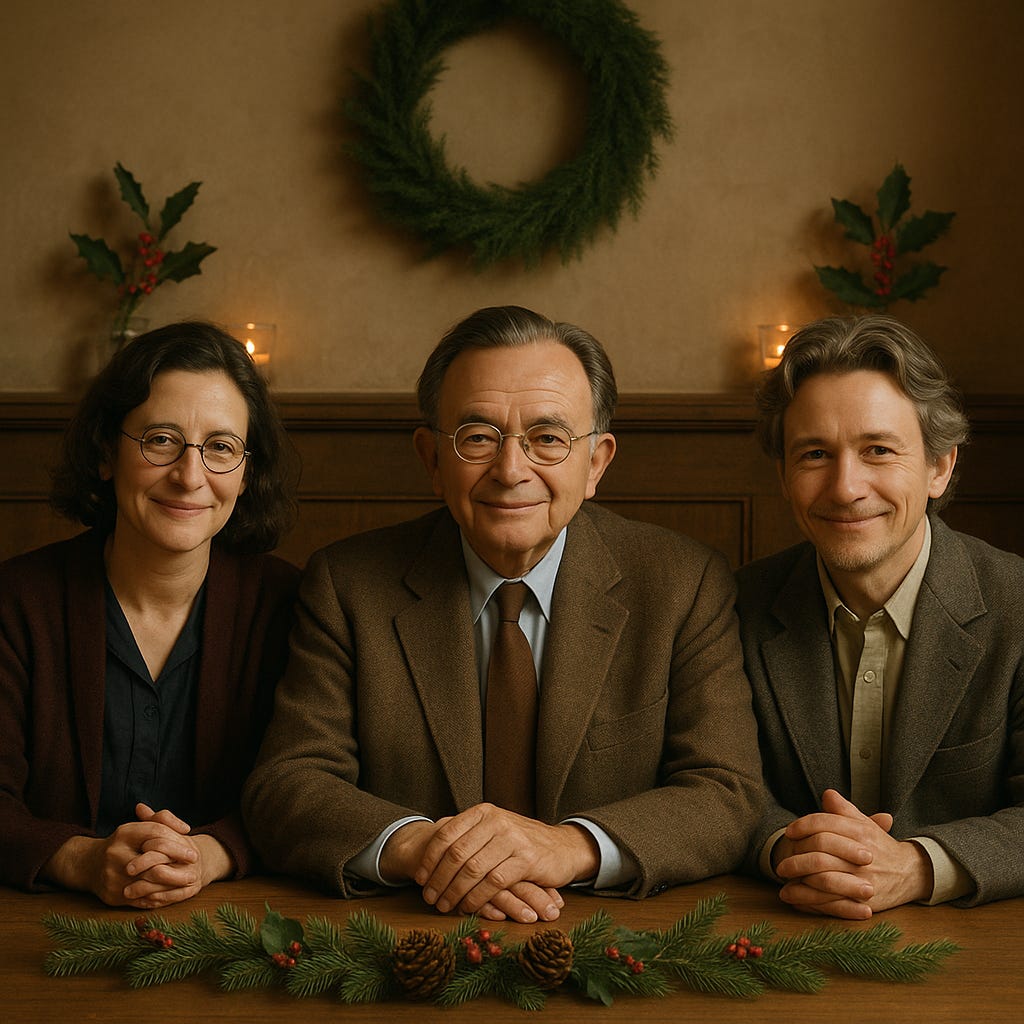
Fromm understood how this question—as a moment when longing finally turns from having toward being— reveals the truth a person has been trying to silence with distraction.
The Ache Beneath the Noise
I’ve often pondered upon what would happen if I stopped numbing myself with all the little comforts and amusements that pretend to be rest. I wonder what might rise when I stop looking for something new to buy or scroll or add to my cart, as if the next acquisition might finally quiet the ache I carry. I have this suspicion that my longing has been trying to speak for years, and I’ve been drowning it in noise.
Fromm and the Courage to Face Ourselves
Fromm keeps coming to mind when I sit with this question. He felt like a man who had the courage to name what the rest of us only feel in flashes. He said that modern life trains us to avoid ourselves. It surrounds us with a thousand small satisfactions so we never have to notice the deeper hunger underneath. He believed that our society teaches us to live in the mode of having. We collect things, identities, achievements, even relationships, as if possession could soothe the deeper part of us. But longing, as he understood it, lives in the mode of being. It waits for the moment we stop distracting ourselves long enough to notice who we’re becoming and what we truly want to offer this world.
When I sit with that idea I feel both exposed and strangely comforted. It tells me that my longing’s nothing to fear. It isn’t a flaw or some kind of private weakness. It’s simply the self trying to rise. Fromm helps me see that the ache I feel has always been a sign of life rather than failure. And if I stop distracting myself, even for a moment, my longing begins to point toward a more honest way of living.
Rilke and the Shape of What Waits Within
As I trace this idea further I find myself remembering Rilke, who spent much of his life meditating on the hidden movements of the soul. Rilke would smile at this because he always believed that longing was a compass. He thought that the soul speaks most clearly through the things we yearn for when we finally stop running from ourselves. Rilke treated longing as a quiet blessing. It was the shape of our unlived life reaching back toward us. He once wrote that everything is gestation and then bringing forth. I think he meant that our longing is the first sign of the life that wants to be born within us. It pulls us forward gently. It invites us to trust that there’s something in us that knows where it’s going.
When I read Rilke beside Fromm I start to feel a deeper truth. It isn’t only that consumerism numbs us. It’s that it interrupts the conversation we’re meant to have with our own souls. It keeps us busy so we never have to ask the harder question which is what is my longing trying to teach me. If I let myself look at it directly I feel something like grief and hope at the same time. Grief for all the years I buried the ache under distractions. Hope because the ache survived anyway.
Weil and the Discipline of True Attention
And then there’s Simone Weil whose work enters this conversation like a clear bell. She sharpens the picture in a way that leaves no place to hide. She believed that real attention is a form of devotion. Not religious devotion but a devotion to truth. She said that attention stripped of craving is the purest act a human being can offer. And she saw modern life as a field of constant temptations that split our attention into fragments. When I place her insight next to Fromm and Rilke I start to feel the full weight of this season. We live in a culture that tells us our longing can be satisfied by more. She tells us that longing only clarifies when we’re willing to offer our attention to what’s real.
Weil believed that the soul leans toward the good when it’s quiet enough to hear its own orientation. In her world longing wasn’t desire but direction. It was the soul remembering where it comes from. When I read her I realize how profoundly consumerism has altered the landscape of our inner lives. It’s made longing look like hunger and hunger look like need and need look like something that must be answered by purchase. She reminds me that longing’s wiser than all of that. It points toward wholeness rather than possession.
Where Longing Points When We Finally Listen
As I sit with all three of them I feel the question settle more clearly. Where does my longing point when I stop distracting myself? I think Fromm would tell me it points toward a life that’s finally my own, one that values being over having. Rilke would tell me it points toward the life that’s been waiting to bloom inside me. Weil would tell me it points toward truth, the kind that can’t be bought and doesn’t need to be advertised.
I can feel all of that inside my chest tonight. A quiet tug away from the frenzy and toward something simpler and more honest. I suspect that most of us feel this tug at some level, especially now, when every window and screen tries to tell us that longing can be satisfied with another purchase. But longing isn’t shopping. It’s the soul reaching for air.
If I stop distracting myself my longing points toward stillness first. Then toward honesty. Then toward the life I’ve been too busy to claim. It points toward relationships that feel mutual and real. It points toward work that feels meaningful. It points toward mornings that begin with intention rather than urgency. It points toward a life that feels lived from the inside out rather than the outside in.
A Quieter Invitation
I think the heart knows where it wants to go. It just gets tired of shouting over the noise. If I let myself listen to it without distraction I suspect the path would reveal itself with a kind of quiet certainty. Longing is patient like that. It waits. It watches. It keeps its shape even when the world tempts us away from ourselves.
And maybe that’s the gift of the season. Not the abundance that fills the shelves but the invitation to step away from all of it long enough to hear the small voice that knows what we truly seek. When I listen closely I hear something like a gentle instruction. Live more honestly. Love with more presence. Give more than you take. And stop pretending that longing’s a problem. It’s been your compass all along.
If you’d like to support this work:
Light Against Empire is free for all. If my words have value to you and you’re in a position to help, you can chip in with a monthly or yearly donation. Your support keeps the writing alive, the lights on, and the fire burning.