

What Do I Owe the World, and What Does the World Not Get to Demand From Me
A Reflection on Responsibility, Selfhood, and What This Political Moment Is Asking of Us

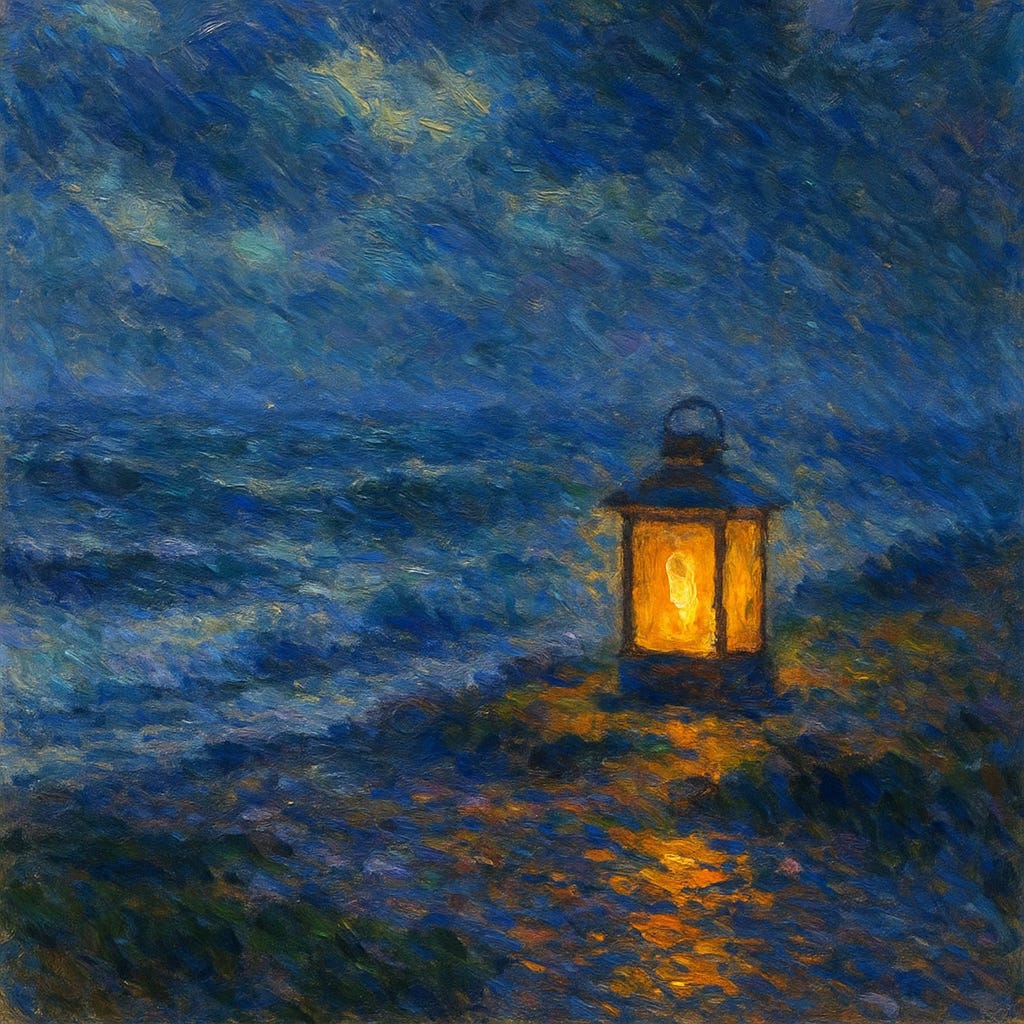
I heard the question rattling around in my head the other morning as the headlines scrolled by, each one tugging at a different corner of my attention. What do I owe the world, and what does the world not get to demand from me. It sounds like a private inquiry, something meant for a journal or a long walk, but this year’s made it impossible to treat it as a small personal matter. The question’s become public. It’s become political. It’s become a mirror that keeps asking me to look again.
America’s living through a season of deep confusion about obligation. Everyone’s shouting about what everyone else should be doing. Citizens are blamed for things they never controlled. Institutions keep shrugging off the responsibilities they were created to shoulder. Leaders treat power like a private inheritance. The cost of all this confusion shows up in our bodies and relationships and in our shrinking capacity to trust anything larger than our own thoughts.
I know I feel it. The world asks more from us each year while giving less. The news demands outrage. Politics demands fear. Social media demands attention. Family demands loyalty. Work demands everything except rest. If I’m not careful I start thinking I owe the world my exhaustion. Somewhere in that confusion a very old wisdom whispers that no tradition ever meant duty to become self abandonment.
Where Obligation Ends and Selfhood Begins
Across cultures and centuries the sages and poets and philosophers kept saying a similar thing. They said we owe each other our humanity. Not our self erasure. Not our constant performance. Not our silence or our rage. Not our willingness to bend ourselves into whatever shape the moment wants. They said we owe compassion, truthfulness, fairness, and the refusal to harm. That’s the scaffolding of a moral life. It’s stood for thousands of years through empires and plagues and collapses far worse than anything we’re witnessing today.
But none of them said we owe the world our soul.
And that’s where this question first points me. Toward the boundary between responsibility and disappearance. It’s a hard line to see when the country’s cracking open. Harder still when cruelty becomes the language of power. Harder when people you love are frightened or angry or disappointed in ways they can’t express. Harder when every news cycle feels like an erosion of something you once believed was permanent.
Yet the question remains. What do I owe the world. What does the world not get to demand.
The older I get the more I understand that I owe the world my presence but not my depletion. I owe honesty but not confession. Compassion but not compliance with cruelty. Attention but not my sense of self. Truth but not the surrender of joy. These sound like simple lines until I try to live them. They blur the minute fear enters the room.
Fear and the Politics of Demands
Fear’s everywhere in American life right now. It’s used as a tool. It’s used as a threat. It’s used as a fog that keeps us from seeing the horizon. Fear makes people small. It persuades them to trade their convictions for safety. It convinces them the world has the right to dictate their choices. It asks them to shrink their lives to fit inside someone else’s expectations. This is the quiet crisis beneath the louder one. The country keeps nudging us toward a posture of permanent obedience.
This is why the question matters so much. Fear blurs the line between duty and surrender. It can make obedience look like sacrifice. Silence look like prudence. Surrender look like wisdom.
But humanity’s been here before. Ancient voices remind me that fear isn’t an authority.
Kierkegaard said fear appears when a person stands near the edge of possibility.
Arendt warned that fear’s the preferred atmosphere of every authoritarian project.
Baldwin said fear shrinks the soul until we forget how to love.
Whitman insisted the world needs the largeness of a self that refuses to be reduced.
Havel believed a single honest act becomes a political victory when lies are the language of the powerful.
They disagreed on many things, but on this they spoke with one voice. A free person never hands their soul to the state.
These voices agree on something else. The world can demand obedience, exhaustion, despair, and silence. But it doesn’t have the right to any of them unless we hand them over. What we owe the world is the part of us that stays human in the middle of the storm. What the world doesn’t get to demand is the part of us that knows our lives have dignity before a single vote’s counted or a single law’s signed.
Choosing What Remains Yours
The question’s political, yes, but it’s also personal. When the world grows loud I’ve got to decide what my life stands for. Not in a grand way. Not in a cinematic moment. In the daily choices that accumulate into a life. How I speak to strangers. Whether I tell the truth when it’s easier to disappear. How I refuse the lure of bitterness. How I show up for the people I love without losing myself. How I guard the small embers of joy that keep me human.
And this is where the question finally lands for me. I owe the world the best of my humanity. The world doesn’t get to demand the death of it. I owe courage where I can muster it and kindness where courage isn’t enough. I owe the willingness to stand in truth when lies feel safer. I owe the effort to protect what’s good. But I don’t owe surrender. I don’t owe silence when injustice becomes the air we breathe. I don’t owe disappearance to make others comfortable.
I want to be someone who still believes a single honest life can matter in a breaking world. I want to live from that place even when fear taps at the door. I want to remember that the world can ask for many things, but only I decide which ones I give my life to.
When I keep the question close it becomes a kind of compass. It reminds me my role in the world’s chosen, not imposed. It reminds me my humanity isn’t a resource for exploitation. It reminds me a country can lose its way and still be guided back by people who refuse to lose their own. It reminds me hope’s a moral stance. And it reminds me the world can’t take what I don’t hand over.
So I ask again. What do I owe the world. What does the world not get to demand from me. And I answer as honestly as I can. I owe the world the fullness of my humanity. The world doesn’t get to demand its abandonment.
Further Reading:


